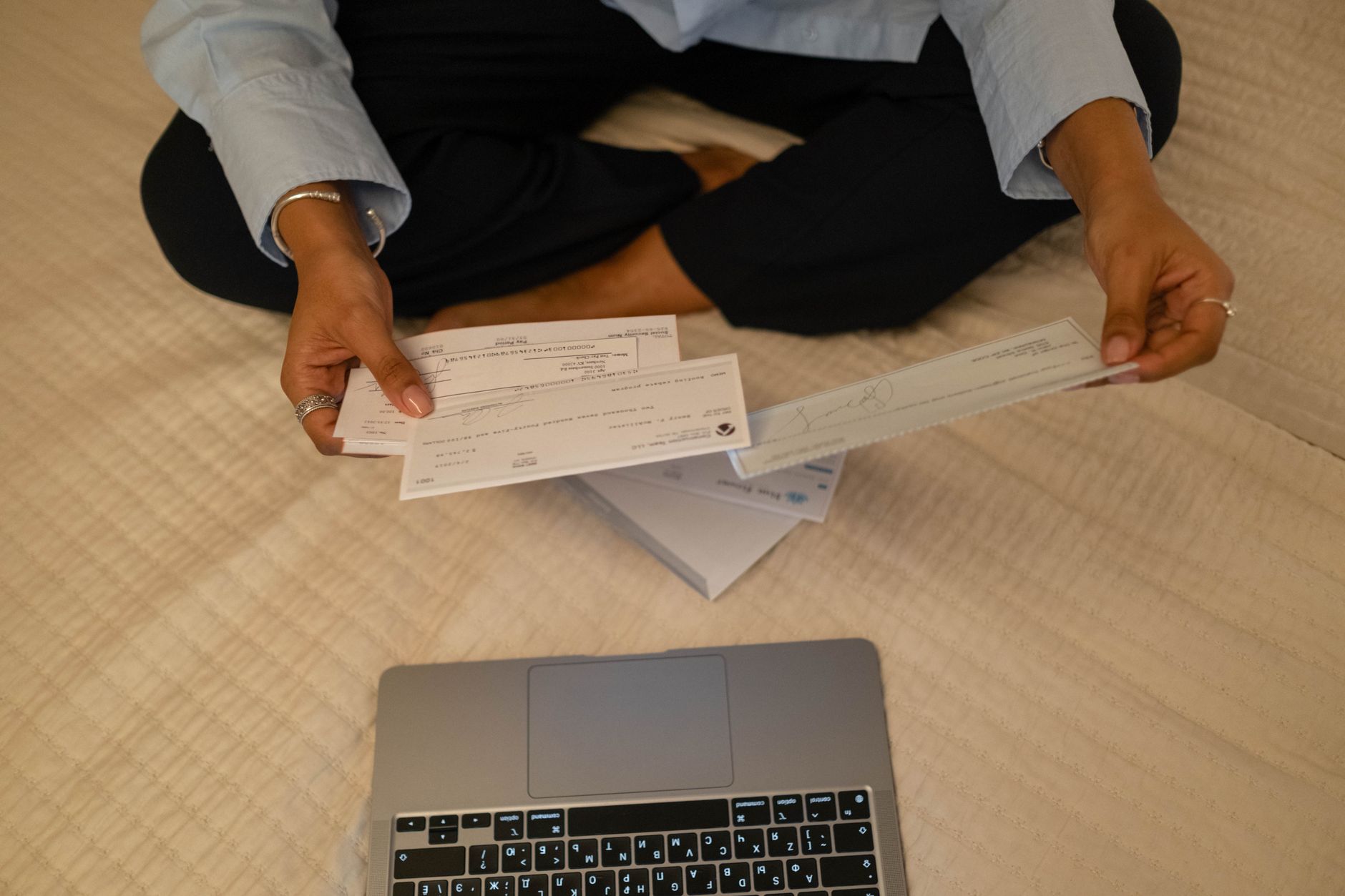
cheque book rules are changing, and it’s important for customers to understand what this means. As the RBI clarifies, these changes will take effect from January 1, 2027.
What are the new cheque book rules?
The Reserve Bank of India (RBI) has clarified that there will be significant changes to cheque book rules starting January 1, 2027. These updates aim to modernize and streamline the cheque transaction process across the nation. Here are the key points regarding the new rules:
- Mandatory use of electronic methods: Customers will be encouraged to use digital payment methods instead of physical cheques.
- Cheques to be phased out: Over time, the availability of physical cheque books may be limited for new account holders.
- Increased security measures: Enhanced verification protocols will be introduced to reduce fraud cases associated with cheques.
These changes are designed to promote efficiency and safeguard financial transactions for all banking customers.
Why the change in 2027?
The changes to cheque book rules in 2027 are primarily driven by the need to enhance security and efficiency in banking transactions. As digital banking continues to rise, traditional methods like cheques are facing scrutiny. The Reserve Bank of India (RBI) aims to mitigate risks associated with cheque fraud and streamline the clearing process.
Additionally, the modernization of the banking infrastructure necessitates updates to existing policies. Customers are expected to benefit from these changes through faster transaction times and reduced chances of fraud. The RBI has emphasized the importance of adapting to technological advancements to maintain trust in the banking system.
To prepare for these upcoming changes, customers are encouraged to stay informed about the new cheque book rules and how they may impact their banking practices in the future.
How will this affect customers?
The upcoming changes to cheque book rules in 2027 are likely to have a significant impact on customers. With the Reserve Bank of India clarifying misinformation surrounding these changes, it is essential for individuals to stay informed.
Here are some potential effects on customers:
- Increased security: The new rules may include enhanced verification processes, making transactions more secure.
- Digital alternatives: Customers might be encouraged to adopt digital payment methods, reducing reliance on physical cheque books.
- Fees and charges: There could be adjustments in fees associated with cheque book issuance and usage, which may affect account holders.
- Awareness and education: Banks may need to conduct outreach to help customers understand the new regulations and how they can adapt.
Staying informed will be crucial for a smooth transition to the new cheque book rules.
RBI’s response to viral messages
The Reserve Bank of India (RBI) has addressed the recent surge of viral messages regarding the cheque book rules set to change in 2027. In a statement, the RBI emphasized that the information circulating on social media is misleading and that no such drastic modifications are currently planned. The central bank reassured the public that existing cheque book regulations will remain in effect until the specified date.
To provide clarity, the RBI outlined the following points:
- There are no immediate changes to cheque book issuance or usage.
- Customers can continue to use their cheque books as per existing guidelines.
- Any updates will be officially communicated through verified channels.
This clarification aims to prevent confusion and ensure that customers are well-informed about the cheque book rules moving forward.
What should customers do now?
As the changes to cheque book rules approach, customers are advised to take proactive steps to ensure a smooth transition. Here are some recommendations:
- Review your current cheque book usage: Understand how often you rely on cheques for transactions and if you need to adjust your payment methods.
- Stay informed: Keep up-to-date with official announcements from the Reserve Bank of India (RBI) regarding any developments related to the new rules.
- Communicate with your bank: Reach out to your financial institution for clarity on how the changes will affect your accounts and cheque book issuance.
- Consider alternatives: Explore digital payment options that may suit your needs better as cheque book rules evolve in 2027.
Taking these steps now can help mitigate any potential disruptions in your banking experience.
Future of banking in India
The future of banking in India is poised for significant changes as the Reserve Bank of India (RBI) prepares to implement new cheque book rules starting in 2027. These changes aim to enhance security and streamline banking processes in an increasingly digital world. As traditional banking methods evolve, customers may need to adapt to new practices, including the potential reduction in the use of physical cheques.
Financial institutions are expected to invest in technology that supports these changes, promoting digital transactions. This shift could lead to a more efficient banking experience, but it also raises questions about the accessibility of banking services for those who rely on cheques.
As the deadline approaches, it is crucial for customers to stay informed and prepare for how these cheque book rules may impact their banking habits.
Photo by cottonbro studio on Pexels