most polluted cities India are facing unprecedented air quality challenges. Bathinda’s AQI has reached a staggering 737, while Faridkot is not far behind at 692, highlighting a critical environmental issue.
Current AQI Levels in Major Cities
As concerns over air quality mount, the latest data reveals the most polluted cities in India with alarming Air Quality Index (AQI) levels. Cities across the nation are witnessing hazardous conditions, affecting the health of millions.
Currently, Bathinda leads the list with a staggering AQI of 737, indicating severe air pollution that poses serious health risks. Faridkot follows closely behind, recording an AQI of 692. Other cities with concerning levels include:
- Delhi – AQI 650
- Kanpur – AQI 640
- Lucknow – AQI 620
- Patna – AQI 610
These figures highlight the urgent need for effective measures to combat pollution and protect public health.
Health Impacts of High AQI
The alarming Air Quality Index (AQI) levels in India’s most polluted cities pose significant health risks to their residents. Prolonged exposure to high AQI can lead to various respiratory issues, cardiovascular diseases, and other serious health complications.
According to health experts, the following impacts are commonly associated with elevated pollution levels:
- Respiratory Problems: Increased cases of asthma, bronchitis, and other chronic respiratory conditions.
- Cardiovascular Issues: Higher risks of heart attacks and strokes due to polluted air.
- Neurological Effects: Potential links between air pollution and cognitive decline.
- Vulnerable Populations: Children, the elderly, and those with pre-existing health conditions are at greater risk.
Given these alarming statistics, immediate action is essential to combat pollution in India’s most polluted cities.
Government Response to Pollution
In response to the alarming levels of air pollution, particularly in the most polluted cities India, the government has initiated several measures aimed at mitigating the crisis. Local authorities have begun implementing stricter regulations on industrial emissions and vehicle pollution.
Additionally, the government is investing in green infrastructure, including:
- Increased tree plantation drives to improve air quality.
- Promotion of public transport to reduce the number of vehicles on the road.
- Awareness campaigns to educate the public about pollution sources and prevention.
Officials are also collaborating with environmental organizations to monitor air quality more effectively and to develop long-term strategies for sustainable urban planning, aiming to reduce the impact of pollution in the most affected areas.
Long-term Effects of Air Quality
The long-term effects of poor air quality in the most polluted cities in India can be devastating for both health and the environment. Prolonged exposure to high levels of air pollution is linked to various chronic conditions, including:
- Respiratory diseases: Increased rates of asthma and chronic obstructive pulmonary disease (COPD).
- Cardiovascular issues: Higher incidence of heart attacks and strokes.
- Cancer: Elevated risk of lung and other cancers due to toxic particulate matter.
- Neurological impacts: Growing evidence suggests a connection between air pollution and cognitive decline.
Additionally, children and the elderly are particularly vulnerable, facing long-term developmental and health challenges. As air quality continues to deteriorate in these cities, the urgent need for effective solutions and public awareness becomes increasingly critical.
Comparative Analysis of Cities
In a recent comparative analysis of cities, the data reveals alarming trends regarding the most polluted cities in India. Bathinda tops the list with an astonishing AQI of 737, followed closely by Faridkot at 692. Other cities that are also grappling with severe pollution levels include:
- Delhi – consistently ranks high with AQI levels often exceeding 500.
- Kanpur – notorious for its industrial emissions, with levels reaching 600.
- Lucknow – faces struggles with vehicular pollution, showing AQI readings around 550.
- Gurugram – often experiences high pollution levels due to construction activities.
These figures highlight the urgent need for effective measures to combat air quality deterioration across urban India.
Public Awareness and Action
Public awareness about air quality is crucial in addressing the issue of the most polluted cities in India. With alarming AQI levels reported in cities like Bathinda and Faridkot, citizens are increasingly voicing concerns over the detrimental effects of pollution on health and quality of life.
Efforts to raise awareness include:
- Community Workshops: Initiatives aimed at educating residents about pollution sources and preventive measures.
- Social Media Campaigns: Engaging platforms to inform the public about daily AQI levels and health tips.
- School Programs: Incorporating environmental education in curriculums to instill a sense of responsibility in the younger generation.
Collective action from individuals, communities, and organizations can significantly impact reducing pollution levels in these cities.
Future Projections for Air Quality
As urbanization and industrial activities continue to rise, future projections for air quality in India suggest that the most polluted cities may face even greater challenges. Recent studies indicate that, without significant intervention, cities like Bathinda and Faridkot could see AQI levels soar, potentially exceeding current records.
Experts warn that factors such as vehicular emissions, construction dust, and agricultural burning will contribute to worsening air quality. The need for sustainable practices and stricter regulations is becoming increasingly urgent.
Additionally, climate change may exacerbate air pollution, affecting weather patterns and increasing stagnant air conditions that trap pollutants. This troubling trend highlights the importance of ongoing public awareness campaigns and governmental initiatives.
In conclusion, if proactive measures are not implemented, India’s most polluted cities could experience dire consequences for public health and the environment.
Steps to Improve Urban Air Quality
To combat the alarming levels of pollution in the most polluted cities in India, several steps can be taken to improve urban air quality. Key measures include:
- Enhancing green cover: Planting more trees and developing parks can help absorb pollutants.
- Promoting public transport: Investing in efficient and reliable public transport systems can reduce the number of vehicles on the road.
- Implementing stricter regulations: Enforcing laws on industrial emissions and construction dust can significantly lower air pollution levels.
- Encouraging renewable energy: Shifting to solar and wind energy can help reduce dependence on fossil fuels.
By taking these proactive measures, cities can work towards improving air quality and protecting the health of their residents.
According to recent data, the most polluted cities India are grappling with alarming air quality index levels that pose serious health risks to residents. Efforts to combat pollution in these most polluted cities India are crucial for improving the overall well-being of the population.
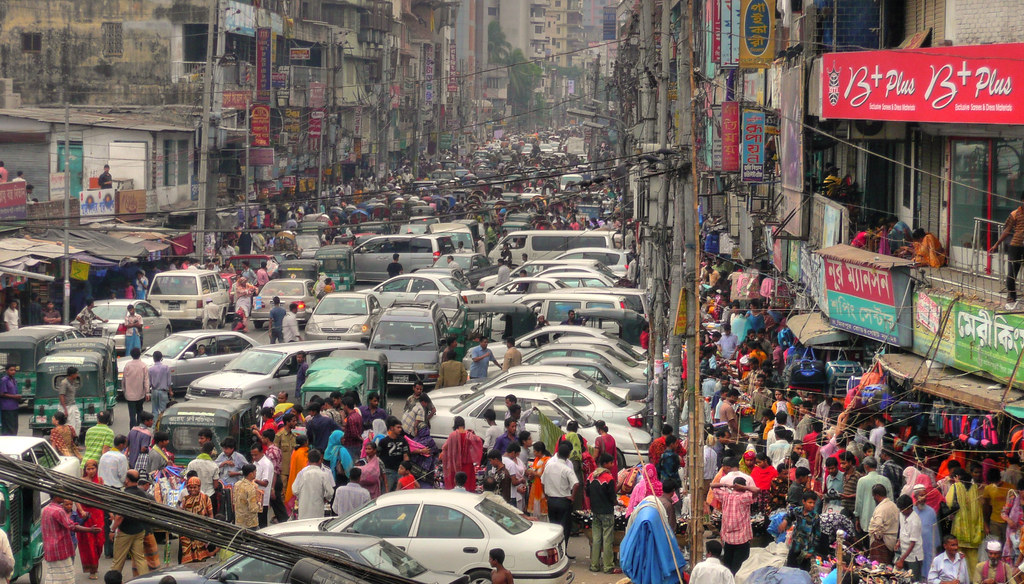
By joiseyshowaa via Openverse
References
Related stories
GST E-invoice 5 Crore Rule: What Are the Major Changes? · Sensex Nifty Rise: Clear Market Trends for Investors · Airfloa Rail Technology IPO: Quick Insights on Gains