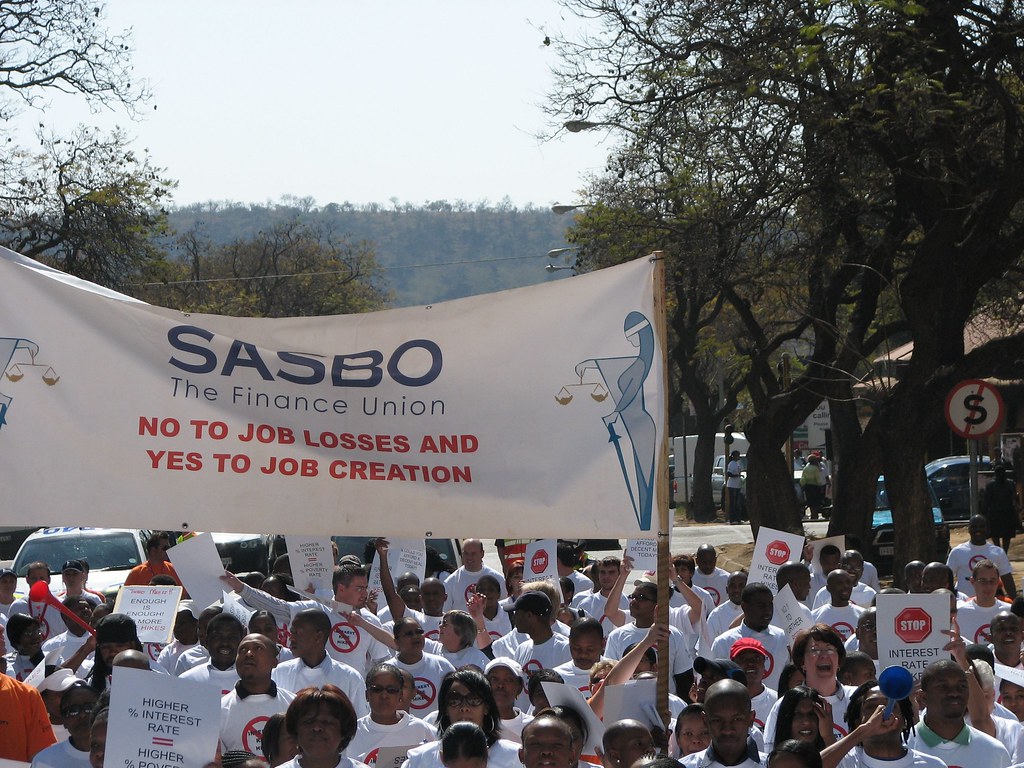
The policy rate hike has been officially increased by 50 basis points to 12%. This significant change raises questions about its impact on the economy and consumers.
Understanding the Policy Rate Hike
The recent decision by the State Bank to increase the policy rate by 50 basis points to 12% has sparked significant debate among economists and financial analysts. A policy rate hike is generally implemented to curb inflation and stabilize the economy. However, its implications can vary widely depending on the economic context.
This adjustment in the policy rate serves multiple purposes:
- Controlling Inflation: By raising the cost of borrowing, the bank aims to reduce consumer spending and investment, which can help lower inflation rates.
- Stabilizing Currency: A higher policy rate can attract foreign investment, bolstering the national currency against depreciation.
- Promoting Economic Growth: While higher rates can slow down growth in the short term, they may foster a more sustainable long-term economic environment.
However, the decision to implement a policy rate hike is not without risks. Small businesses and consumers may face higher loan costs, potentially leading to reduced spending and slower economic growth. Critics argue that this move could exacerbate existing economic challenges, raising questions about whether it truly supports the economy’s overall health.
Impact on Borrowing Costs
The recent decision by the State Bank to implement a policy rate hike of 50 basis points, bringing the rate to 12%, is poised to have significant implications for borrowing costs across various sectors of the economy.
As interest rates rise, the cost of borrowing increases for consumers and businesses alike. This change can lead to a variety of outcomes:
- Increased Loan Payments: Homeowners with variable-rate mortgages may see their monthly payments rise, impacting their disposable income.
- Higher Business Loans: Companies seeking to finance expansion or operations may face steeper interest rates, potentially stifling growth and investment.
- Consumer Spending: With higher borrowing costs, consumers might reduce their spending, leading to a potential slowdown in economic activity.
- Investment Decisions: Investors may become more cautious in a high-interest environment, choosing to allocate their funds differently.
While the policy rate hike aims to combat inflation and stabilize the economy, the higher borrowing costs could also dampen economic growth in the short term. Stakeholders will need to monitor the ongoing effects of this decision closely.
Reactions from Economists
Reactions from economists following the recent decision by the State Bank to increase the policy rate by 50 basis points to 12% have been mixed. Many analysts have expressed concern over the potential implications of this policy rate hike on economic growth.
Some economists argue that the increase is necessary to combat rising inflation, stating that maintaining price stability is crucial for long-term economic health. They believe that higher interest rates will help to cool down an overheating economy, thereby preventing further inflationary pressures.
On the other hand, a number of experts caution that the policy rate hike could negatively impact consumer spending and business investment. They highlight that increased borrowing costs may deter individuals and companies from taking loans, which could lead to slower economic growth.
Among the varied opinions, a few economists have suggested that the timing of the rate hike may not be ideal, given the ongoing global economic uncertainties. They emphasize that policymakers should consider the broader economic landscape and the potential risks associated with tightening monetary policy.
- Necessary for inflation control: Some support the hike as a tool to manage inflation.
- Potential for economic slowdown: Others warn of a negative impact on growth.
- Timing concerns: A few suggest reconsidering the timing amidst global uncertainties.
What This Means for Consumers
The recent policy rate hike by the State Bank, which increased the rate by 50 basis points to 12%, has significant implications for consumers. As borrowing costs rise, individuals and families may find it more challenging to secure loans for major purchases, such as homes and cars. This change can lead to a tightening of household budgets as monthly repayments for loans and mortgages increase.
Moreover, consumers may experience higher interest rates on credit cards and other forms of unsecured debt. This can result in greater financial strain for those carrying balances, potentially leading to increased defaults and financial instability for some households.
On the other hand, savers may benefit from the policy rate hike, as banks might offer higher interest rates on savings accounts and fixed deposits. This could encourage consumers to save more, although the trade-off comes at the cost of access to affordable credit.
In summary, while the policy rate hike aims to control inflation and stabilize the economy, its immediate effects on consumers are mixed. As individuals navigate these changes, they will need to reassess their financial strategies to adapt to the evolving economic landscape.
Future Projections for Interest Rates
As analysts assess the implications of the recent policy rate hike by the State Bank, future projections for interest rates are becoming a key topic of discussion. The central bank’s decision to raise the policy rate by 50 basis points to 12% has prompted many to speculate on the trajectory of monetary policy in the coming months.
Experts suggest that several factors will influence future rate adjustments, including:
- Inflation Trends: Continued inflationary pressures may lead the central bank to further increase rates to maintain price stability.
- Economic Growth: If economic indicators show signs of slowing growth, the bank may reconsider its stance on rate hikes.
- Global Economic Conditions: International market dynamics and central bank policies in other countries could also impact domestic interest rates.
Some economists argue that the recent policy rate hike is a necessary step to counter inflation, while others caution that aggressive rate increases could stifle growth. The balance between controlling inflation and supporting economic activity will be crucial as the central bank navigates these challenges.
Ultimately, the effectiveness of the policy rate hike will depend on how these various factors unfold in the coming months.
Is the Policy Rate Hike Effective?
The recent policy rate hike by the State Bank, increasing rates by 50 basis points to 12%, has sparked discussions on its effectiveness in addressing economic concerns. Proponents argue that elevating the policy rate is essential for curbing inflation and stabilizing the currency. By making borrowing more expensive, it can potentially reduce consumer spending and cool off an overheated economy.
However, critics caution that such a move might stifle economic growth, especially for small businesses that rely heavily on loans for expansion. The balance between controlling inflation and fostering growth is delicate. Many economists warn that while a policy rate hike may have short-term benefits, it could lead to long-term repercussions if not managed carefully.
Moreover, the impact on investment is significant. Higher interest rates may deter both domestic and foreign investments, as the cost of financing increases. As businesses face higher expenses, the potential for job creation may dwindle, raising concerns about the overall economic outlook.
Ultimately, the effectiveness of the policy rate hike remains to be seen. It will depend on various factors, including global economic conditions and domestic responses to these changes. As stakeholders assess the situation, the focus will be on balancing stability and growth in the coming months.
By dblackadder via Openverse