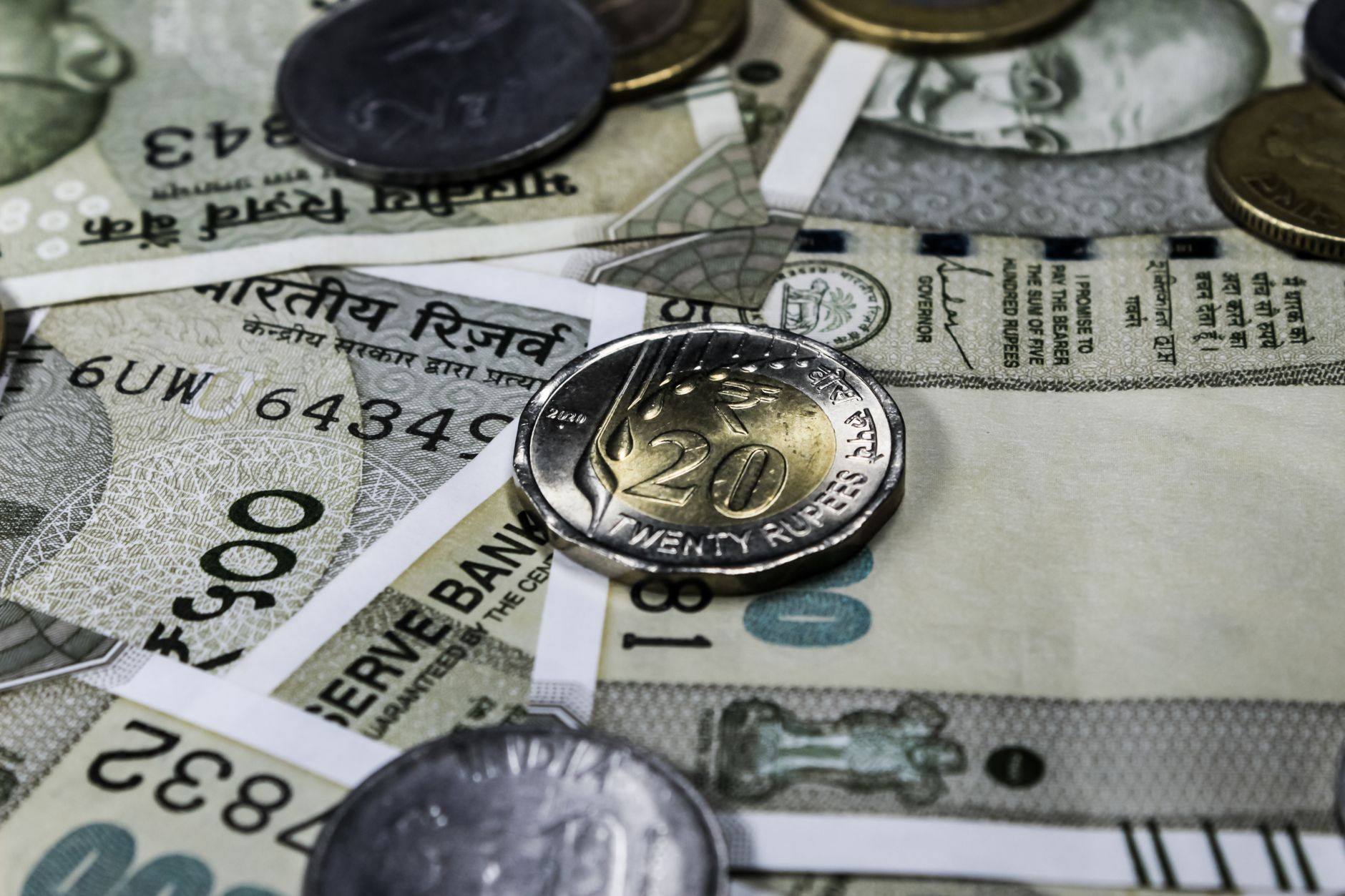
RBI repo rate hike has significant implications for the economy. As the Reserve Bank of India raises the rate to 5.5%, concerns about inflation continue to grow.
Understanding the RBI Repo Rate Hike
The recent decision by the Reserve Bank of India (RBI) to raise the repo rate to 5.5% has stirred significant discussions among economists and financial analysts. This move is primarily a response to the increasing inflation concerns that have been affecting the Indian economy. By increasing the repo rate, the RBI aims to control the money supply in the market, which in turn is expected to moderate inflationary pressures.
Understanding the implications of the RBI repo rate hike is crucial for various stakeholders. Here are some key points to consider:
- Cost of Borrowing: An increase in the repo rate typically leads to higher interest rates for loans and mortgages, making borrowing more expensive for consumers and businesses.
- Investment Impact: Higher interest rates can deter investments, as businesses may find it costlier to finance their growth plans. This could slow down economic expansion.
- Consumer Spending: As loans become more expensive, consumer spending may decrease, affecting overall economic activity.
- Inflation Control: The primary objective of the RBI repo rate hike is to curb inflation, helping stabilize prices in the long run.
Overall, the RBI repo rate hike is a complex measure aimed at balancing growth and inflation, with far-reaching consequences for the economy.
Inflation Concerns and Economic Impact
The recent RBI repo rate hike to 5.5% has raised significant concerns regarding its impact on inflation and the broader economy. This move, aimed at curbing rising price levels, could have both immediate and long-term effects on various sectors.
As the central bank tightens monetary policy, the cost of borrowing is expected to increase. This could lead to:
- Higher loan rates: Consumers and businesses may face increased interest rates on loans, which could dampen spending and investment.
- Reduced consumer spending: With higher costs of financing, households might cut back on discretionary spending, impacting retail and service sectors.
- Slower economic growth: A decline in consumer and business spending could lead to slower economic growth, affecting job creation and wage growth.
However, the RBI repo rate hike also aims to stabilize inflation, which has been a growing concern. By making borrowing more expensive, the central bank hopes to reduce demand and, in turn, alleviate upward pressure on prices. Economists believe that while the immediate impact may be challenging for consumers, the long-term benefits of a stabilized inflation rate could contribute positively to economic stability.
Overall, the balance between controlling inflation and fostering economic growth remains a critical challenge as the effects of the RBI repo rate hike unfold.
What This Means for Borrowers
The recent RBI repo rate hike to 5.5% is set to have significant implications for borrowers across the country. As the central bank aims to combat rising inflation, individuals and businesses alike must prepare for the financial ramifications of this decision.
For many borrowers, this increase in the repo rate could lead to higher interest rates on loans, particularly for those with variable-rate loans. Here are some key points to consider:
- Increased EMIs: Borrowers with home loans or personal loans tied to the repo rate may see their Equated Monthly Installments (EMIs) rise, putting additional strain on monthly budgets.
- Impact on New Loans: Prospective borrowers looking for new loans may find that lenders adjust their rates upwards, making borrowing more expensive.
- Credit Card Rates: Credit card interest rates, which are often linked to the repo rate, could also see an increase, resulting in higher costs for outstanding balances.
- Investment Decisions: Higher rates may prompt borrowers to reconsider their investment strategies, potentially leading to a shift in focus from high-risk to more stable options.
In summary, the RBI repo rate hike could reshape the borrowing landscape, emphasizing the need for careful financial planning and management in the face of inflationary pressures.
Market Reactions to the Rate Change
The recent RBI repo rate hike to 5.5% has elicited varied reactions from the financial markets, reflecting concerns about rising inflation and its broader economic implications. Investors, traders, and analysts have been monitoring the situation closely, considering how this adjustment will shape monetary policy and market sentiment.
In the immediate aftermath of the announcement, several market indices experienced fluctuations. Key reactions include:
- Stock Market Volatility: The equity markets showed signs of instability, with many investors reacting nervously to the rate hike news. Some sectors, particularly financials and real estate, faced downward pressure, while others, like consumer staples, exhibited resilience.
- Bond Yields: Following the rate increase, bond yields rose as investors anticipated higher borrowing costs. This shift could influence future borrowing decisions by corporations and governments.
- Currency Fluctuations: The Indian Rupee experienced some volatility against major currencies, as foreign investors reassessed risk and returns in the context of increased interest rates.
Experts suggest that the RBI repo rate hike could lead to a period of adjustment in both domestic and international markets. This change, while aimed at curbing inflation, may have far-reaching effects on investment strategies and consumer spending in the coming months.
Future Projections for Interest Rates
The recent RBI repo rate hike has sparked discussions about future interest rate projections and its potential implications for the economy. As inflation continues to pose challenges, experts suggest that the central bank may need to adopt a cautious approach in the coming months.
Analysts predict that the RBI might consider further adjustments to the repo rate, particularly if inflation trends upward. Key projections include:
- Continued Monitoring: The RBI is likely to keep a close eye on inflation data and economic indicators, adjusting rates as needed to maintain stability.
- Gradual Increases: Some economists anticipate that the RBI repo rate hike could be part of a series of gradual increases, aligning with global monetary policy trends.
- Impact on Growth: While higher rates may curb inflation, there is concern that too many increases could stifle economic growth, leading to a delicate balance in policymaking.
- Market Sentiment: Investor confidence may fluctuate based on the RBI’s actions, influencing both domestic and international markets.
In summary, the path ahead for interest rates remains uncertain, but the RBI repo rate hike is a significant factor that will shape economic conditions in the near future. Stakeholders are advised to stay informed as projections evolve.
Expert Opinions on RBI’s Decision
Experts are weighing in on the recent RBI repo rate hike to 5.5%, a decision aimed at curbing inflation amid ongoing economic challenges. Many economists believe that this move is essential in stabilizing prices and restoring consumer confidence. According to Dr. Aditi Nair, an economist at ICRA, “The RBI’s decision to raise the repo rate was inevitable given the surge in inflation rates. It reflects the central bank’s commitment to maintaining price stability.”
Another prominent analyst, Mr. Ramesh Kumar from SBI, emphasized the potential long-term benefits of this decision. He stated, “While the immediate impact may be challenging for borrowers, the RBI repo rate hike is a proactive measure that could help in controlling inflation in the future. It is crucial for the economy’s overall health.”
However, not all opinions are in favor of the hike. Ms. Sunita Mehta, a financial consultant, expressed concerns about the adverse effects on consumer spending. “Higher borrowing costs could deter consumers from making significant purchases, which may slow down economic growth,” she noted.
As various experts continue to analyze the implications of the RBI’s decision, it remains clear that the central bank’s actions will have a significant impact on inflation and economic sentiment in the coming months.
Photo by Ravi Roshan on Pexels
Read the original
Related stories
ETH price drop: Is it the worst time to invest? · TCS Q2 results 2026: Clear Insights on Dividend and Profits · Vishal Nirmiti IPO: Worst Listing Experience with Proven Insights